
Project: Incredible Grasslands: Wildflowers for Wellbeing
Welcome to the Incredible Grasslands project. As you look around our grounds, you might notice something different: we are changing the way we manage our green spaces to create a healthier environment for nature and for you.
Part of the NHS Lothian Biodiversity Action Plan, this initiative transforms traditional, short-mown grass into species-rich meadows and vibrant parklands.
Why are we changing our grasslands?
Historically, hospital grounds were mown very short. While this looks “neat,” it offers very little for local wildlife. By diversifying our grasslands, we are:
- Boosting Biodiversity: Creating homes and food for vital pollinators like bees and butterflies.
- Supporting Recovery: Nature-rich environments are proven to reduce stress and improve mental health for patients, staff, and visitors.
- Climate Action: Longer grass and native wildflowers help capture carbon and manage rainwater more effectively.
- Connecting Habitats: Creating “green corridors” across the Lothians so wildlife can move safely between sites.
What to expect at your site
We aren’t simply “letting the grass grow.” Our sites – including Astley Ainslie, the Royal Infirmary (RIE), and the Royal Edinburgh (REH) – undergo careful management:
- Planned Mowing: We use specific cutting regimes that allow wildflowers to bloom and drop their seeds.
- Accessibility First: We maintain neatly mown edges and paths (at least 1.2m wide) to ensure wheelchair and pram access.
- Managed Beauty: Our Grounds teams and Nature Rangers monitor these areas to manage weeds and keep them litter-free.
Frequently Asked Questions
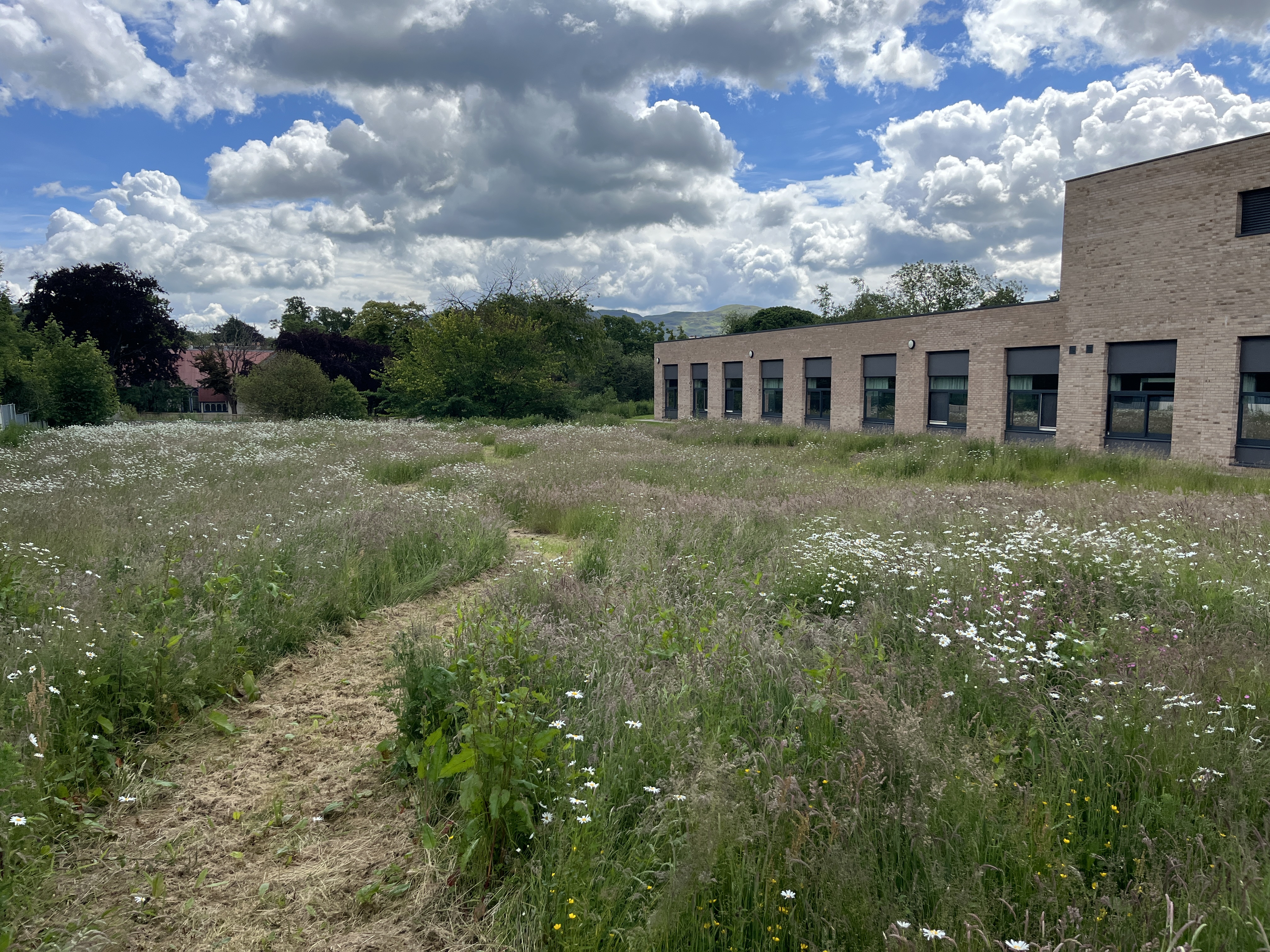
No. These are active conservation zones, not abandoned plots. We practice “managed relaxation,” a strategic approach where we maintain mown pathways and essential fire escape routes—often using reinforcement mesh to ensure accessibility—while allowing wildflower meadows to flourish throughout the growing season.
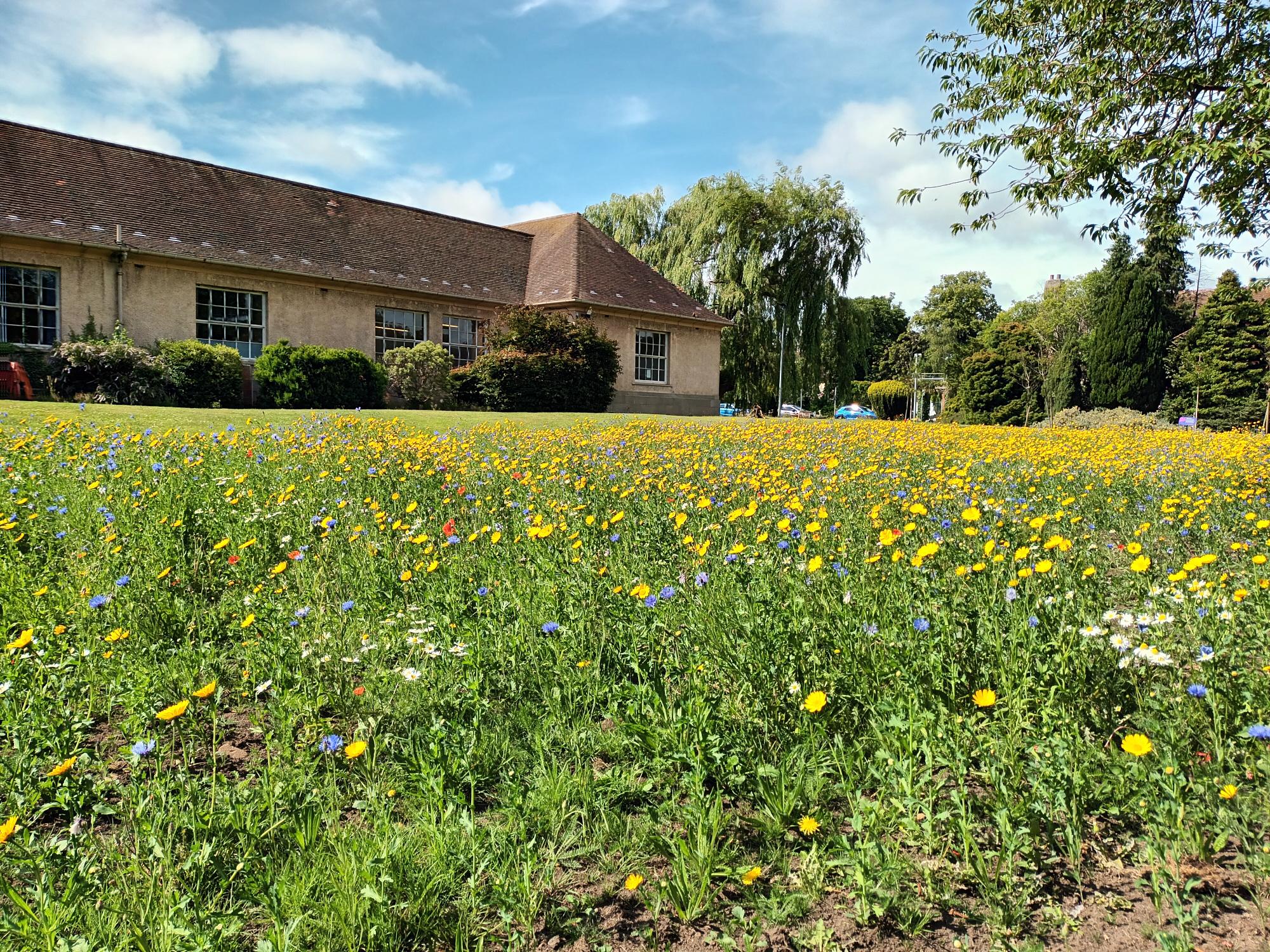
An Incredible Grassland offers a rich sensory experience that a flat, uniform lawn simply cannot provide. The variety of sights, sounds, and scents creates a calming, natural retreat perfect for therapeutic walks, mental health breaks, and stress reduction.
We focus on areas that are currently “labour-intensive but low-use.” These include:
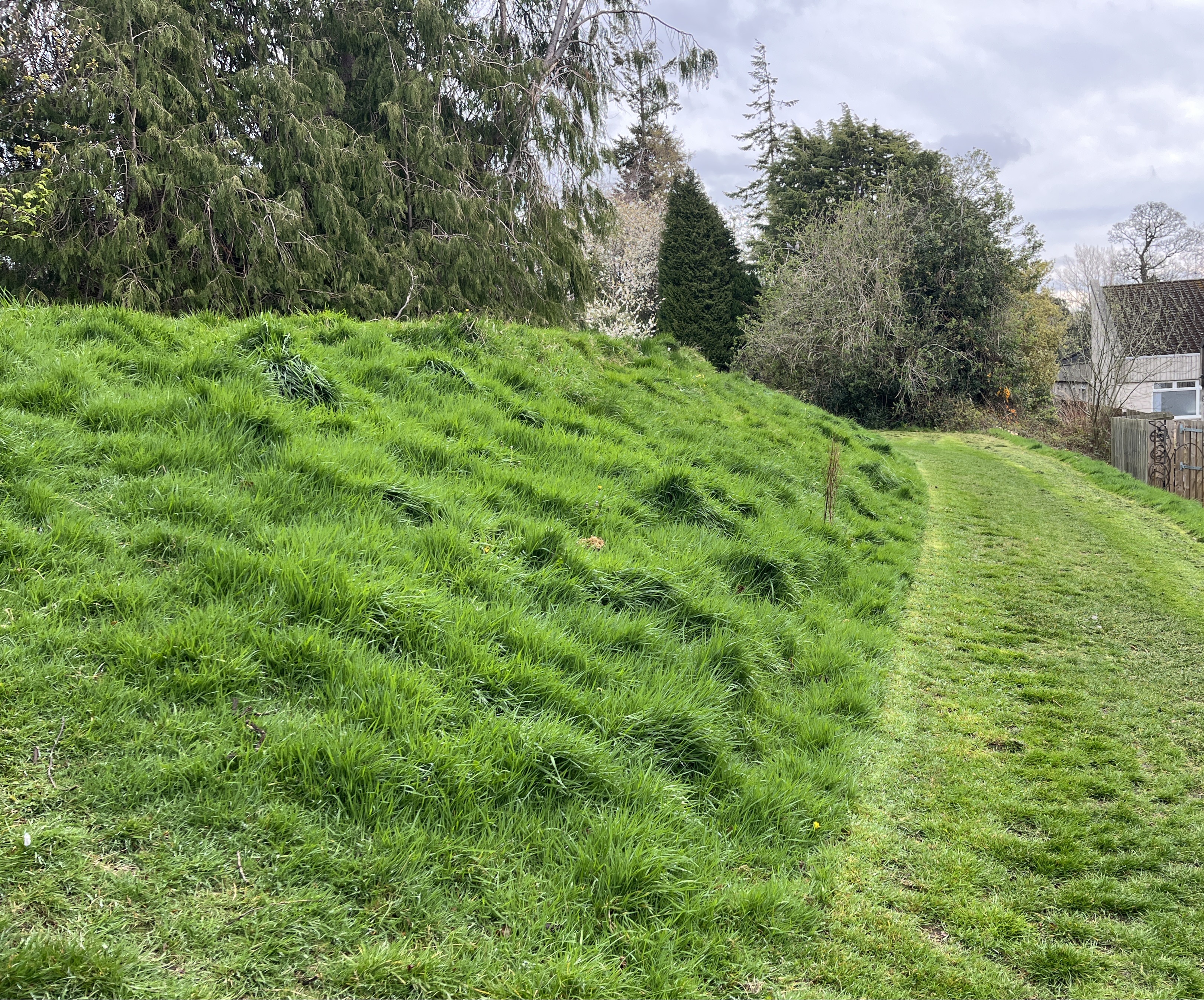
- Steep banks and inclines.
- Ground beneath groups of trees.
- Fenced-off areas where machinery is difficult to operate.
- Large, seldom-used stretches of turf, often referred to as “green deserts.”
Absolutely. We use local knowledge to design and mow dedicated pathways through the longer grass, ensuring the spaces remain inviting and easy to navigate for everyone.
While reducing mowing frequency can lower costs, the primary benefit is resource reallocation. The time saved allows our grounds maintenance teams to focus more attention on pruning shrubs, tending to flower beds, and improving the quality of the high-traffic lawns that still require frequent grooming.
We are committed to keeping these conservation zones beautiful and clean. If you notice any issues or areas requiring attention, please contact the NHS Lothian Estates helpdesk at: [email protected]
Find out more and get involved
We want our community to be part of these transformations.
- Learn about grasslands: Find out expert advice from the Royal Botanic Gardens Edinburgh and Health Facilities Scotland about managing grasslands on healthcare sites.
- Volunteer: We support volunteers and third sector organisations to make the most of the greenspace on our estate.
- Join an event: We often host events and activities for NHS staff and patients to learn about and connect with nature.
Have a question?
